Paid vs Organic Social Media Strategy: Which One Actually Grows Your Business in 2026?
Paid vs organic social media strategy — learn the real differences, when to use each, and how to …

New members: get your first 7 days of Premium free! Unlock your discount now!




Organic social media growth without ads means building a real, engaged audience using content, community, and consistency — no paid promotion required. In 2026, this is absolutely still possible, but it requires a smarter approach than simply posting more often. The platforms have shifted toward AI-driven recommendation feeds, which actually opens new doors for smaller accounts to reach new audiences — if you know how to play it right.
A common misconception is that organic reach is dead. It's not — it's just different. Platforms like TikTok, Instagram Reels, and even LinkedIn have leaned heavily into AI-recommended content feeds, meaning your posts can now reach people who don't follow you at all, purely based on relevance and engagement signals. According to a 2025 Hootsuite Social Trends report, accounts that consistently publish short-form video see an average of 35% higher reach than those relying solely on static image posts — even with zero ad spend.
What has changed is that the old playbook — posting three times a day with a wall of hashtags — no longer moves the needle. Algorithms in 2026 reward content that generates meaningful interaction: saves, shares, comment threads, and watch-time. A single video that earns 500 saves will outperform ten posts that get a handful of likes. Understanding this shift is the foundation of any effective organic strategy.
A common mistake here is chasing vanity metrics like follower count without tracking engagement rate (the percentage of your audience that actively interacts with your content). A 3-5% engagement rate on Instagram is considered healthy in 2026; anything above 6% is excellent. Focus on that number, not raw followers.
A content strategy for organic growth starts with defining your content pillars — three to five core topics your account consistently covers. Content pillars give your audience a reason to follow you and signal to the algorithm what your account is about. For example, a freelance graphic designer might build pillars around: design tutorials, behind-the-scenes client work, tool reviews, and personal branding tips.
Once your pillars are set, map out a realistic posting cadence. "Realistic" is the key word. Posting twice a week with high-quality, intentional content consistently outperforms posting daily with rushed, low-effort content. For most solo creators and small businesses in 2026, a cadence of 3-4 posts per week on a primary platform, plus 2-3 short-form videos, is a sustainable starting point. Spreading yourself too thin across six platforms at once is one of the fastest ways to burn out and see zero results.
Use a simple content calendar — even a Google Sheet works — to plan your posts two weeks ahead. This prevents the "what do I post today?" panic and ensures your pillars stay balanced. Batch-create content on one or two days per week so you're always working ahead, not scrambling to catch up.
{VISUAL: A simple content pillar diagram showing 4 topic categories branching from a central brand name}Short-form video remains the single most powerful organic reach driver across nearly every major platform. Instagram Reels, TikTok, YouTube Shorts, and even LinkedIn video are all being prioritized by their respective algorithms. The sweet spot for most platforms in 2026 is 30-90 seconds: long enough to deliver real value, short enough to hold attention. A practical tip: hook viewers in the first two seconds with a bold statement or question — this directly impacts your video's watch-time percentage, which is a primary ranking signal.
Beyond video, carousel posts on Instagram and LinkedIn consistently outperform single-image posts for saves and shares. A well-designed carousel that teaches something step-by-step ("5 mistakes new freelancers make") gives people a reason to swipe through, save it for later, and share it with a colleague. Saves are particularly valuable because they signal to the algorithm that your content is worth revisiting — a strong quality indicator.
Text-based content is having a genuine resurgence on platforms like Threads, LinkedIn, and X (formerly Twitter). A personal story or a strong opinion post that sparks conversation can generate enormous organic reach with no visuals at all. The key is to write something that makes people want to respond — ask a direct question at the end, take a clear stance, or share a counterintuitive insight. Avoid vague, fence-sitting posts that give people nothing to react to.
Hashtags still matter, but their role has evolved. On Instagram and TikTok in 2026, hashtags function more like content categorization signals for the algorithm than as direct discovery tools for users. Using 3-8 highly relevant hashtags (a mix of niche-specific and mid-size tags) tends to outperform the old tactic of stuffing 30 generic hashtags. Think of hashtags as labels that tell the platform what drawer to file your content in — precision beats volume.
Keywords, on the other hand, have become increasingly important — especially on TikTok and YouTube, which function as search engines for millions of users. Including your target keyword naturally in your caption, on-screen text, and spoken audio helps the platform's AI understand and surface your content to the right audience. For example, a post about "easy meal prep for beginners" should include that exact phrase in the caption and ideally say it aloud in the video. This is a tactic borrowed from SEO, and it's now directly applicable to social media.
A common mistake is using only massive hashtags with hundreds of millions of posts (like #fitness or #food). Your content gets buried instantly. Instead, pair one or two broad tags with several niche ones (e.g., #veganmealprep, #mealprep2026, #plantbasedbeginners) where your post has a real chance of being seen.
Posting content is only half the equation. The other half is active community engagement — and this is where many accounts leave serious growth on the table. Replying to every comment on your posts within the first hour of publishing is one of the highest-leverage actions you can take. Early engagement signals to the algorithm that your post is generating conversation, which triggers broader distribution. Even a simple, genuine reply is better than leaving comments unanswered.
Go beyond your own posts: spend 15-20 minutes each day engaging authentically in your niche. Leave thoughtful comments on posts from creators in your space, answer questions in relevant communities or groups, and engage with your followers' content. This isn't just good manners — it gets your name in front of new audiences and builds the kind of reciprocal relationships that drive organic word-of-mouth growth. A realistic goal: leave 10 meaningful comments per day on accounts in your niche, and watch your profile visits increase within two to three weeks.
Collaborations are another underused organic growth lever. Platform features like Instagram Collabs (co-authoring a post that appears on both accounts' feeds) and TikTok Duets let you tap into another creator's audience at zero cost. Identify three to five accounts in adjacent niches — not direct competitors, but complementary creators — and pitch a simple collaboration idea. Even one well-placed collab can bring hundreds of highly relevant new followers.
Here's the honest reality: planning, writing, and scheduling all this content manually across multiple platforms takes a significant amount of time — time that most small business owners and solo creators simply don't have. This is where smart automation tools become genuinely useful, not as a shortcut to quality, but as a way to maintain consistency without burning out.
If you're managing a blog alongside your social channels, Publisha.ai is worth a serious look. It's an AI content automation platform that takes a keyword or topic, writes a full SEO-optimized blog post, and then automatically schedules and publishes it to WordPress, Instagram, and LinkedIn — all from one dashboard. For a solo marketer or small business trying to stay consistent across both long-form and social content, that kind of integrated workflow can save several hours every week. It's not about replacing your voice; it's about removing the logistical friction that causes most people to fall off their content schedule entirely.
Tracking the right metrics is what separates a strategy from guesswork. For organic social media growth, the metrics that matter most are: reach (how many unique accounts saw your content), engagement rate (interactions divided by reach or followers, expressed as a percentage), saves and shares (the strongest quality signals), profile visits, and follower growth rate (percentage increase over time, not raw numbers).
Most platforms offer native analytics — Instagram Insights, TikTok Analytics, LinkedIn Analytics — that are free and surprisingly detailed. Check these weekly, not daily. Daily fluctuations are normal and misleading; weekly and monthly trends are where the real signal lives. Set a monthly review habit: look at your top three performing posts, identify what they had in common (format, topic, hook style), and deliberately do more of that.
A useful benchmark: if your follower growth rate is 5-10% per month with consistent posting and engagement, you're on a healthy organic trajectory. Below 2% month-over-month is a signal to revisit your content pillars or posting format. Above 15% suggests you've hit on something resonant — double down immediately.
| Metric | What It Measures | Healthy Benchmark (2026) |
|---|---|---|
| Engagement Rate | % of audience interacting with content | 3-6% (Instagram), 1-3% (LinkedIn) |
| Reach Growth | New unique accounts seeing your posts | 10-20% increase month-over-month |
| Save Rate | Saves ÷ Impressions | 1-3% is strong for most niches |
| Follower Growth Rate | Monthly % increase in followers | 5-10% is healthy organic growth |
Instagram: Reels remain the primary reach driver, but don't neglect Stories for community-building and direct audience connection. Use the "Add Yours" sticker and polls to drive interaction. Posting at least three Reels per week gives the algorithm enough content to test and distribute.
TikTok: The For You Page (FYP) algorithm is still one of the most generous for new and small accounts. Niche consistency is critical — accounts that post within a tight topic area get categorized faster and shown to the right audience. Aim for 4-5 posts per week and lean into trending audio when it's relevant to your content (forced trends feel awkward and underperform).
LinkedIn: Text-based posts with a personal story or professional insight consistently outperform polished corporate content. The first line of your post is your hook — it must compel someone to click "see more." Posting two to three times per week and commenting actively on others' posts is the fastest organic growth path on this platform in 2026.
Pinterest: Often overlooked, Pinterest functions as a visual search engine with a long content lifespan. A single well-optimized Pin can drive traffic for months or years. Use keyword-rich descriptions and create fresh Pins consistently (5-10 per week) to build compounding organic reach over time.
Organic social media growth without ads is a long game, but it's a winnable one — especially in 2026, where AI-driven recommendation feeds give even small accounts a genuine shot at reaching new audiences. The formula is straightforward: clear content pillars, consistent short-form video, authentic community engagement, and a regular habit of reviewing what's working. The challenge is maintaining that consistency week after week.
If you want to keep your blog and social channels publishing consistently without needing a full content team, Publisha.ai can handle the heavy lifting — from writing keyword-optimized posts to scheduling them across your platforms automatically. It's a practical way to stay visible and grow organically without the time drain of doing everything manually.
Most accounts following a consistent organic strategy start seeing meaningful engagement improvements within 4-8 weeks. Significant follower growth typically becomes visible at the 3-6 month mark. Organic growth is slower than paid, but the audience it builds tends to be more loyal and engaged.
TikTok and Instagram Reels offer the highest organic reach potential for new and small accounts in 2026, thanks to AI-driven recommendation feeds that surface content to non-followers. LinkedIn is the strongest platform for B2B organic growth. Pinterest is best for long-tail, evergreen content reach.
Consistency matters more than frequency. Posting 3-4 times per week with high-quality, intentional content consistently outperforms daily posting with low-effort content. Choose a cadence you can sustain for at least three months without burning out.
Yes, but their role has shifted. Use 3-8 precise, niche-relevant hashtags rather than 30 generic ones. Hashtags now primarily help the algorithm categorize your content, not drive direct discovery. Combining hashtags with keyword-rich captions and audio is the most effective approach.
Spreading effort across too many platforms at once without mastering any of them. Pick one or two primary platforms, build a consistent presence there, and only expand once you have a repeatable content system in place. Diluted effort produces diluted results.
Yes. Many successful accounts grow entirely through screen-recorded tutorials, illustrated carousels, voiceover videos, text-based posts, or curated content. Faceless content can perform very well, particularly on TikTok, YouTube Shorts, and Pinterest, as long as it delivers genuine value to a specific audience.
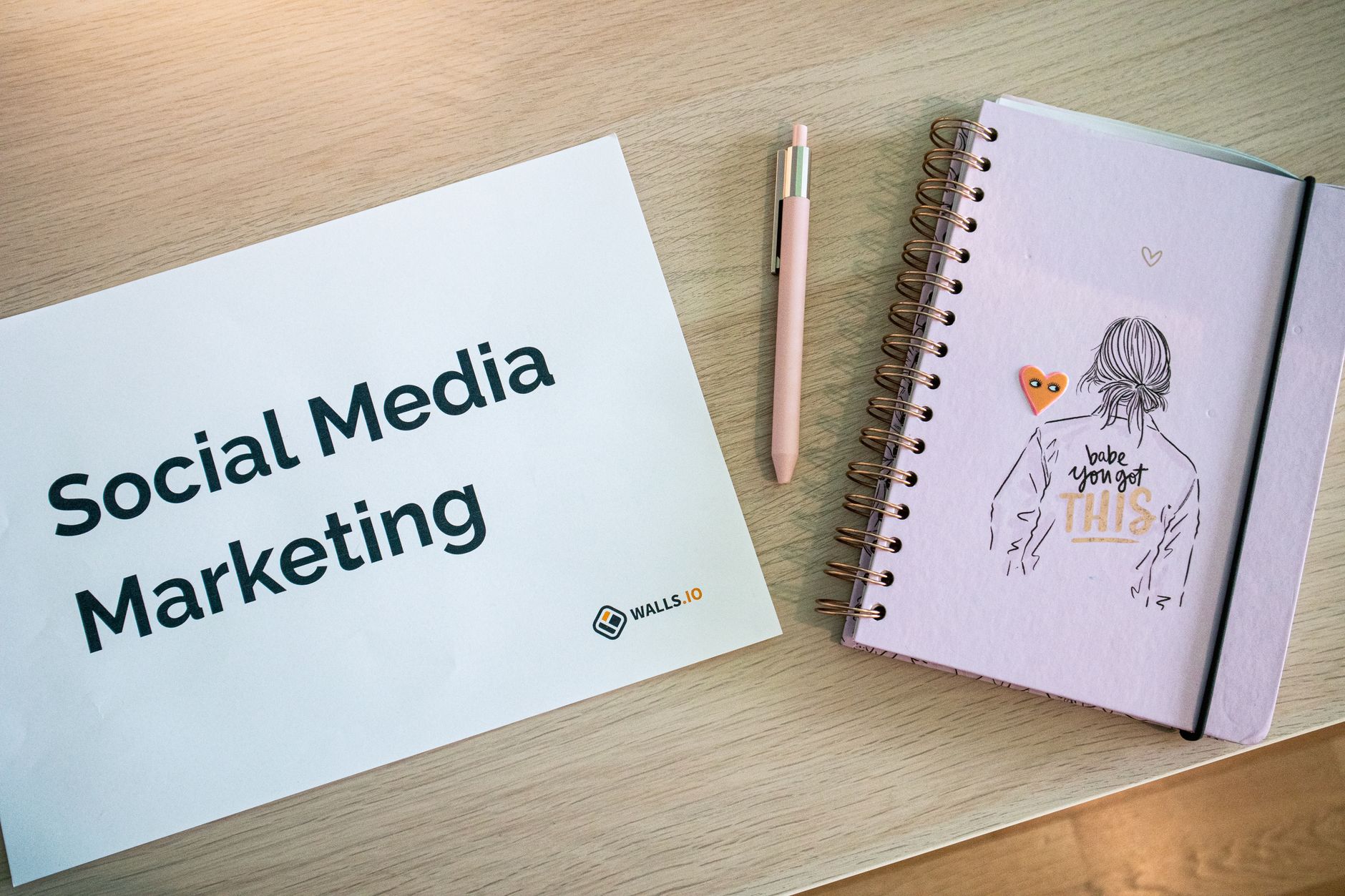
Paid vs organic social media strategy — learn the real differences, when to use each, and how to …
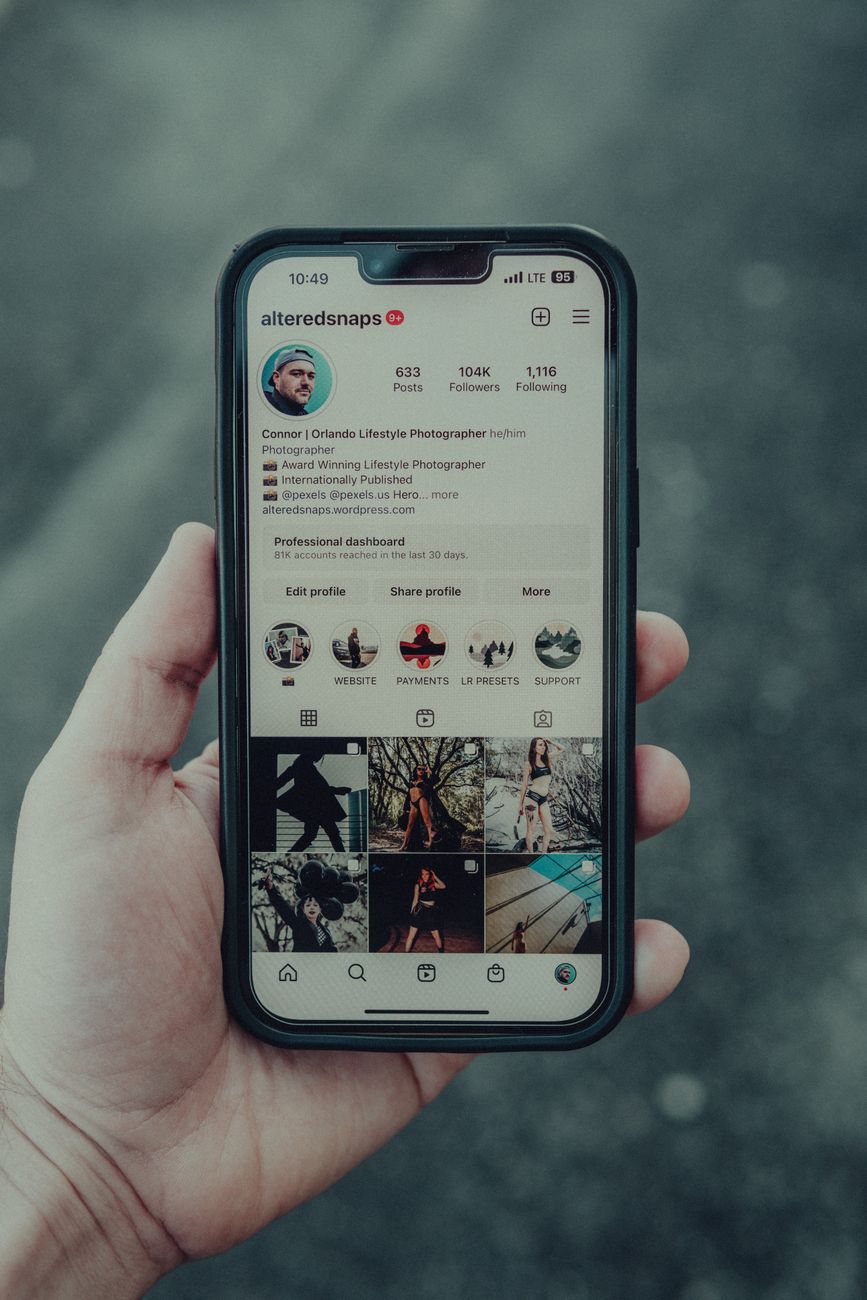
Discover proven social media follower growth strategies for 2026. Learn how to grow your audience on Instagram, TikTok, …
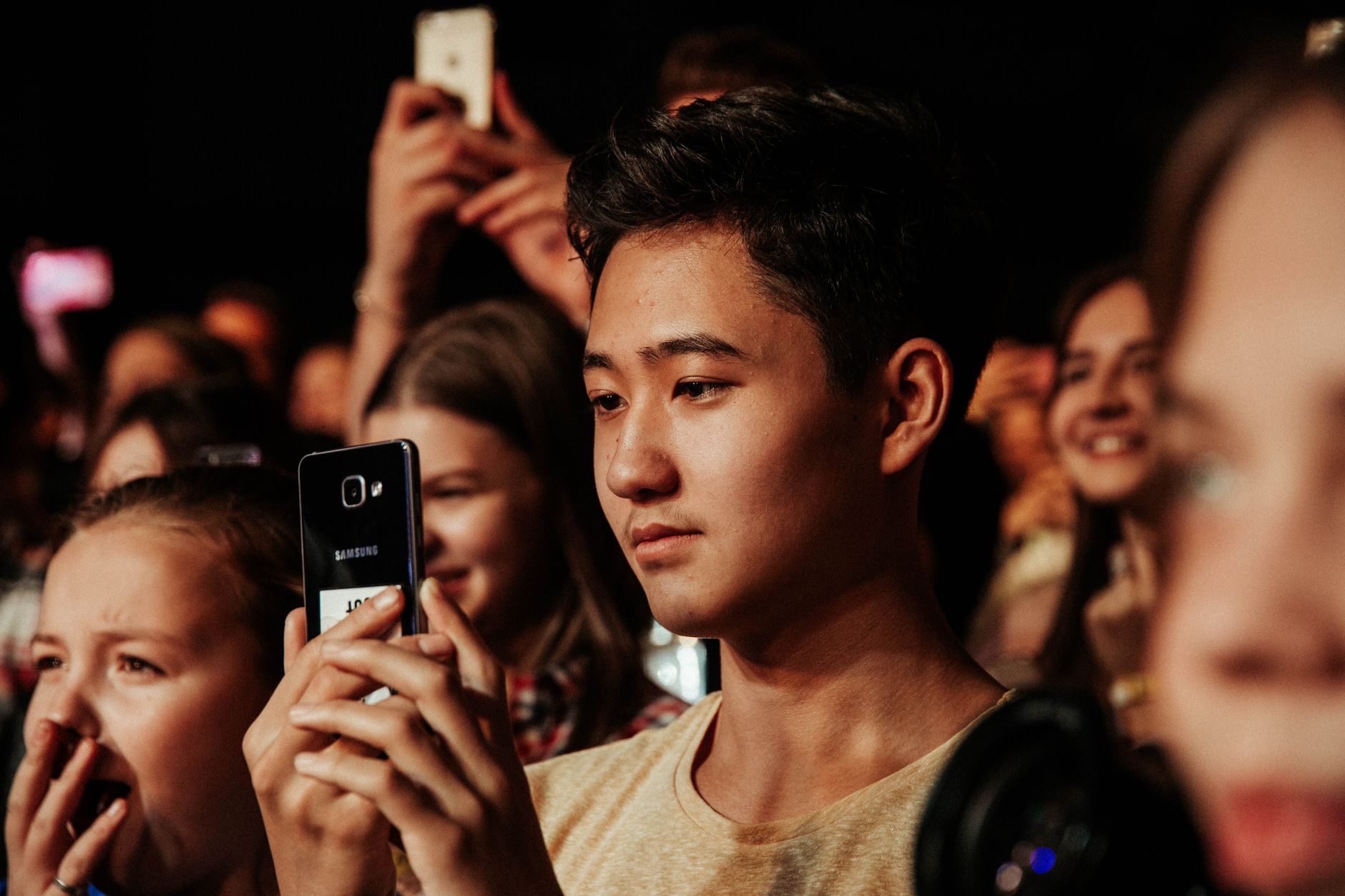
Learn how to find and define your target audience for social media in 2026. Practical steps, real examples, …
No comments yet. Be the first to comment.
Leave a Reply
Your email address will not be published. Required fields are marked *