Social Media Campaign Management Basics: A Beginner's Guide to Running Campaigns That Actually Work
Learn social media campaign management basics — from goal setting and content planning to scheduling, tracking, and optimizing …
New members: get your first 7 days of Premium free! Unlock your discount now!




A strong social media content strategy in 2025 means publishing the right content, on the right platforms, at the right frequency — guided by data rather than guesswork. With AI-driven recommendation feeds now dominating reach on Instagram, TikTok, and LinkedIn, brands that plan intentionally consistently outperform those that post reactively. This guide walks you through every layer of building that strategy from scratch.
A content strategy is simply a documented plan that defines what you post, where you post it, how often, and why. Without one, most small businesses fall into the "random acts of content" trap — posting when inspiration strikes, then going quiet for two weeks. That inconsistency is one of the fastest ways to lose algorithmic favor on every major platform.
In 2025, the stakes are higher because organic reach is increasingly driven by AI recommendation systems rather than follower counts. According to Meta's own transparency reports (2025), Reels now account for more than 50% of time spent on Instagram — and most of that viewing comes from non-followers. That means a well-crafted piece of content can reach entirely new audiences without a single paid dollar behind it, but only if it's built around signals the algorithm rewards: saves, shares, watch time, and comments.
A common mistake brands make is treating strategy as a one-time document. In reality, your strategy should be a living framework you revisit quarterly as platform behavior shifts. Think of it less like a rulebook and more like a compass.
Platform selection is where most beginners go wrong — trying to be everywhere at once and doing nothing particularly well. The smarter approach is to identify where your specific audience already spends time, then dominate two or three platforms before expanding.
Here's a quick breakdown of where different audiences cluster in 2025–2026:
| Platform | Best For | Content Format That Wins |
|---|---|---|
| Visual brands, lifestyle, e-commerce | Reels (under 60 sec), carousels | |
| TikTok | Gen Z + Millennial discovery, entertainment | Short-form video, trending audio |
| B2B, professional services, thought leadership | Text posts, document carousels, short video | |
| YouTube Shorts | Searchable evergreen content, tutorials | Vertical video under 60 sec |
| DIY, food, fashion, home décor | Static pins, idea pins | |
| Threads / X | Real-time conversation, news, commentary | Short text, threads, polls |
A practical tip: audit where your existing customers hang out before committing. Check your website analytics for social referral traffic — that data tells you which platforms are already sending you warm visitors, and those are the ones worth doubling down on first.
Content pillars (also called content buckets) are the three to five core themes your brand consistently posts about. They give your feed coherence and make content planning dramatically faster because you're never staring at a blank page wondering what to post next.
For example, a freelance graphic designer's content pillars might be: (1) Behind-the-scenes process videos, (2) Client results and case studies, (3) Design tips and tutorials, (4) Personal brand storytelling, and (5) Industry news and commentary. Every single post fits into one of those five buckets. That consistency signals to both the algorithm and your audience what your account is about — which improves follow-through and saves rates.
A common mistake is making all pillars promotional. Research from Sprout Social (2025) suggests audiences disengage when more than 20% of a brand's content is overtly sales-focused. Aim for a rough 70/20/10 split: 70% educational or entertaining, 20% community-building or conversational, and 10% direct promotion. This ratio keeps your feed valuable without being a constant advertisement.
Posting cadence — how frequently you publish — is one of the most debated topics in social media, and the honest answer is: consistency beats frequency. Posting three times a week every week outperforms posting seven times one week and then disappearing for two weeks.
That said, each platform has its own rhythm. Here are evidence-based starting points for 2025:
Don't let these numbers overwhelm you. If you're a solo marketer or small business owner, start with two platforms and two to three posts per week per platform. Build the habit before you scale the volume.
Engagement rate is the percentage of your audience (or viewers) who interact with a post through likes, comments, shares, or saves. In 2025, saves and shares carry more algorithmic weight than likes on most platforms because they signal that content was genuinely useful or shareable — not just passively scrolled past.
The formats that consistently drive high engagement right now include:
One thing to avoid: posting content that looks like an ad. Even if you're promoting a product, frame it around a problem your audience has and show how the product solves it. Storytelling converts far better than feature lists.
Content planning is where strategy meets execution. A monthly content calendar — even a simple spreadsheet — prevents the last-minute scramble that leads to low-quality posts. Block out one day per week (or one day per month for batch creators) to plan topics, write captions, and create visuals.
If you're managing content across multiple platforms, the manual work of logging into each one, resizing images, and scheduling posts individually adds up fast. This is exactly the kind of repetitive workflow that AI automation tools are built to eliminate.
Speaking of which — if you find yourself spending hours each week writing captions, drafting blog posts, and manually scheduling everything across Instagram, LinkedIn, and your WordPress site, it's worth looking at Publisha.ai. It's an AI content automation platform that takes a keyword or topic, writes a full SEO-optimized blog post, and then automatically schedules and publishes it to your WordPress blog, Instagram, and LinkedIn — all from one dashboard. For solo marketers and small business owners who want consistent output without hiring a content team, it's a genuinely useful shortcut.
Measuring your strategy means tracking the metrics that align with your actual business goals — not just vanity metrics like follower count. Follower growth is a lagging indicator; what matters more is whether your content is driving reach, engagement, website traffic, or conversions.
Here are the key metrics to track by goal:
| Goal | Metric to Track | Where to Find It |
|---|---|---|
| Brand awareness | Reach, impressions, follower growth rate | Native platform analytics |
| Audience engagement | Engagement rate, saves, shares, comments | Instagram Insights, LinkedIn Analytics |
| Website traffic | Social referral sessions, click-through rate (CTR) | Google Analytics 4, UTM links |
| Lead generation | Link clicks, form submissions, DM inquiries | CRM, platform analytics |
| Sales / conversions | Revenue attributed to social, ROAS | Shopify, WooCommerce, GA4 |
A practical benchmark: a healthy engagement rate on Instagram in 2025 sits between 1–3% for accounts with 10K–100K followers (Source: Rival IQ 2025 Social Media Industry Report). On LinkedIn, 2–5% is considered strong for organic posts. If you're consistently below these numbers, it's a signal to revisit your content format or posting time rather than just posting more.
Review your analytics every two weeks minimum. Look for your top three performing posts each month and ask: what did they have in common? Then do more of that. This iterative approach is how brands compound their growth over time rather than chasing trends reactively.
AI has moved from a novelty to a genuine workflow tool for content creators and marketers. In 2025, most professional social media managers use AI in at least one part of their process — whether that's generating caption ideas, repurposing long-form content into short clips, or analyzing performance data to predict what content will resonate.
Common AI use cases in social media strategy right now include: generating first-draft captions from a brief, transcribing and repurposing podcast or video content into written posts, creating content calendars based on trending topics in your niche, and A/B testing headline variations. The key is using AI to handle the repetitive, time-consuming parts of content creation so you can focus on the creative direction and community management that genuinely requires a human touch.
One important caveat: AI-generated content still needs a human edit pass for brand voice, accuracy, and authenticity. Audiences in 2025 are increasingly good at detecting generic AI output, and platforms like LinkedIn have started surfacing authenticity signals (personal stories, original opinions) more prominently than polished but impersonal content.
Platform algorithms and features shift constantly — what worked in 2023 may actively hurt you in 2026. The brands that stay ahead build adaptive strategies rather than rigid ones. Concretely, this means reviewing your strategy every quarter, not just annually.
A few principles that tend to stay stable regardless of platform changes: prioritize video (short-form video has dominated every major platform's algorithm updates since 2022 and shows no signs of slowing), build an owned audience alongside your social following (email list, SMS, or website traffic), and focus on community over broadcasting. Platforms reward accounts that generate genuine conversation, not just one-way content delivery.
Follow platform official blogs and creator newsletters directly — Meta for Creators, LinkedIn's Marketing Blog, TikTok's Newsroom — so you hear about feature changes before they affect your reach. Set a monthly reminder to check what's new and adjust one or two tactics accordingly.
If keeping up with content production across all of this feels like a full-time job on top of your actual business, that's a sign to look at automation. Publisha.ai can handle the heavy lifting of writing and publishing consistent blog and social content so you stay visible without burning out — worth a look if you want to scale your content output without scaling your team.
A social media content strategy is a documented plan that defines what content you create, which platforms you publish on, how often you post, and what goals each piece of content serves. It aligns your social media activity with business objectives like brand awareness, lead generation, or sales.
Start with two to three platforms where your target audience is most active. Spreading across six or seven platforms with thin, inconsistent content is less effective than doing two platforms really well. Once you've built a repeatable system, you can expand.
Focus on creating content that earns saves and shares — these signals tell algorithms your content is worth distributing to new audiences. Short-form video (Reels, TikTok, Shorts) remains the fastest organic growth driver in 2025. Consistency, niche clarity, and genuine community engagement also compound over time.
Reach is the number of unique accounts that saw your content. Impressions is the total number of times your content was displayed, including multiple views by the same person. Reach tells you how many people you're connecting with; impressions tell you how often your content is surfacing in feeds.
Most brands see measurable engagement improvements within 4–6 weeks of consistent, strategic posting. Significant follower growth and traffic impact typically take 3–6 months. Social media is a compounding channel — results accelerate the longer you maintain consistency.
No. Daily posting helps on high-volume platforms like TikTok, but on LinkedIn or Instagram, three to five quality posts per week consistently outperform daily posting with inconsistent quality. Prioritize sustainable cadence over maximum frequency.
Learn social media campaign management basics — from goal setting and content planning to scheduling, tracking, and optimizing …
Paid vs organic social media strategy — learn the real differences, when to use each, and how to …
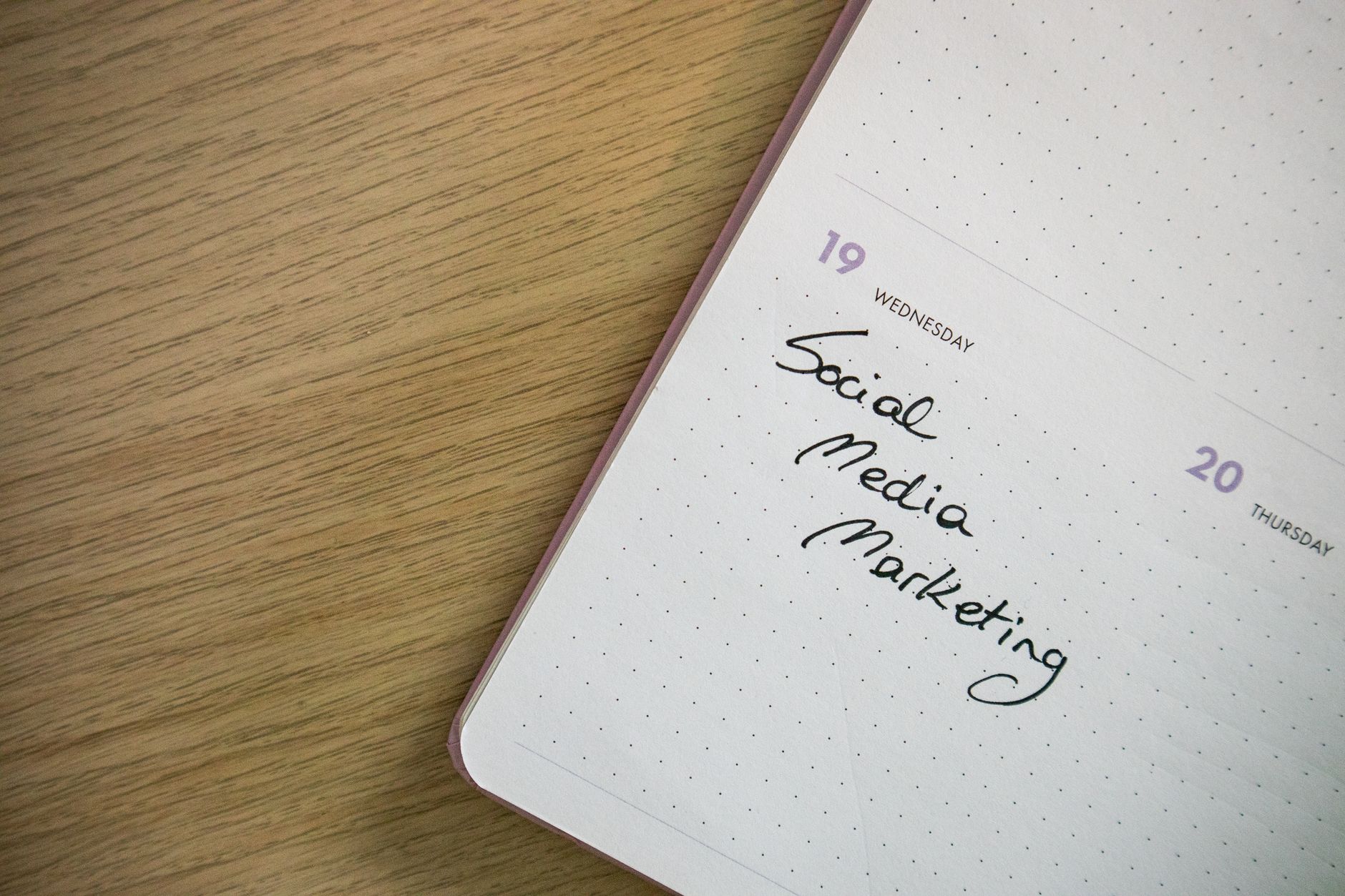
Get a free social media content plan template and learn how to build a strategy that saves time, …
No comments yet. Be the first to comment.
Leave a Reply
Your email address will not be published. Required fields are marked *