
Social Media Crisis Management Plan: How to Protect Your Brand When Things Go Wrong
Learn how to build a social media crisis management plan that protects your brand reputation. Step-by-step guide with …

New members: get your first 7 days of Premium free! Unlock your discount now!



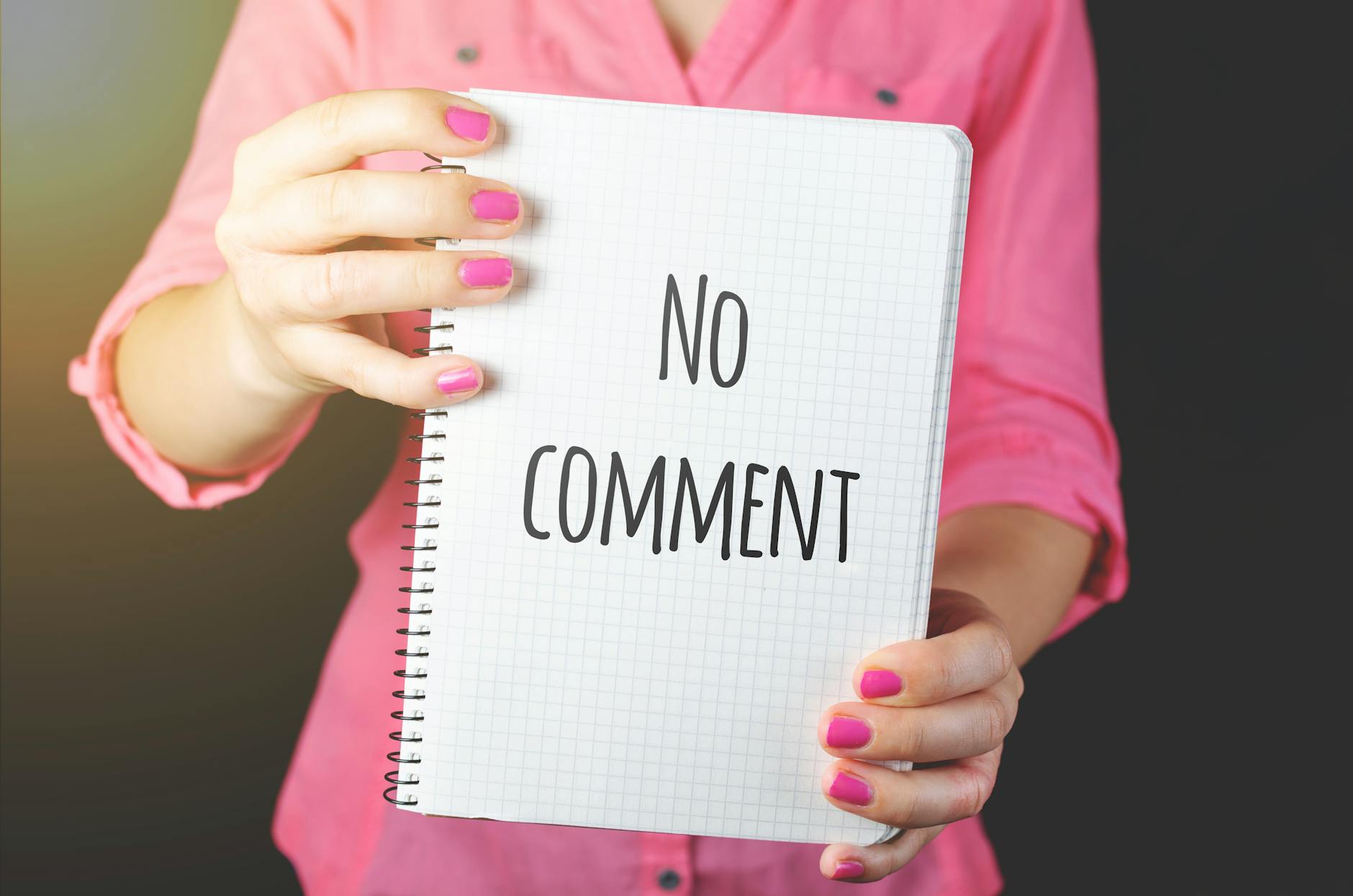
Knowing how to handle negative social media comments is one of the most valuable skills any brand, creator, or small business owner can develop. Done well, a thoughtful response to criticism can actually strengthen trust with your audience. Done poorly, it can go viral for all the wrong reasons. This guide walks you through a clear, practical framework — from triage to response — so you can protect your reputation and turn tough moments into brand-building opportunities.
Before you can respond effectively, it helps to understand why people leave negative comments in the first place. In 2026, social media feeds are more algorithm-driven than ever — platforms like Instagram, TikTok, and LinkedIn prioritize content that sparks strong reactions, which means your posts are reaching people who may not know your brand well. A wider reach naturally brings a wider range of opinions.
Negative comments generally fall into a few distinct categories: genuine complaints about a product or service, misunderstandings or misinformation, trolling or bad-faith attacks, and constructive criticism from engaged followers who actually care. Each type requires a different response strategy. Treating a real customer complaint the same way you'd treat a troll comment is a common mistake that can escalate a small issue into a public relations problem.
Here's the silver lining: a 2025 Sprout Social study found that 70% of consumers say they're more likely to trust a brand that responds to negative feedback than one that only showcases positive reviews. Negative comments, handled well, are free credibility-building moments. The goal isn't to eliminate criticism — it's to respond in a way that demonstrates your values.
Identifying the type of negative comment you're dealing with is the essential first step. Responding to a troll with a heartfelt apology looks weak; ignoring a genuine customer complaint looks dismissive. Here's a quick framework to help you categorize before you respond:
| Comment Type | Characteristics | Best Response |
|---|---|---|
| Genuine Complaint | Specific issue mentioned, often first-time commenter, emotionally frustrated but not abusive | Acknowledge, apologize, offer resolution publicly then move to DM |
| Constructive Criticism | Suggests improvement, often from an engaged follower, respectful tone | Thank them genuinely, explain your position or acknowledge the feedback |
| Misunderstanding | Based on incorrect information, may be spreading misinformation | Politely clarify with facts; don't be condescending |
| Troll / Bad Faith | Vague, repetitive, inflammatory, no specific complaint, often a new or empty account | Don't engage; hide or delete if it violates community guidelines |
A common mistake is spending emotional energy responding to trolls while leaving real customer complaints unanswered. Prioritize the comments that come from real people with real concerns — those are the ones your wider audience is watching you handle.
The worst responses to negative comments are the ones written in the heat of the moment. Before typing anything, give yourself a few minutes — especially if the comment feels personal or unfair. Your response will be public and permanent (even if deleted, screenshots travel fast). Ask yourself: "Would I be comfortable if this response was shared widely?" If the answer is no, rewrite it.
This pause also gives you time to check whether the comment is part of a larger pattern. If five people are complaining about the same shipping delay, that's a signal to address the issue proactively in a post rather than replying individually to each one.
Your opening line should always validate the person's experience before you explain, defend, or offer a solution. A response that starts with "Actually, our policy states..." immediately puts people on the defensive. Instead, try: "We're really sorry to hear this happened — that's not the experience we want for you."
Empathy doesn't mean admitting fault for something that isn't your fault. It means showing that you've heard the person and that their frustration is understandable. This single step de-escalates the majority of negative interactions before they spiral.
Public comment threads are not the place to resolve complex issues. Acknowledge the problem publicly (so other followers see you're responsive), then invite the person to continue the conversation privately. A good formula: "We're sorry to hear this, [Name]. Please send us a DM with your order number and we'll make this right."
This approach accomplishes two things: it signals to your audience that you take complaints seriously, and it removes the back-and-forth from a public space where misunderstandings can compound. Never ask for personal information (email, phone, order number) in a public comment thread.
Speed matters. A 2025 HubSpot report found that 40% of customers who complain on social media expect a response within one hour. While that benchmark is tough for solo operators, aiming for a same-day response is realistic and meaningful. Platforms like Instagram and Facebook track your response rate and display it on your profile — a low rate can deter potential customers before they even reach out.
Set up notification alerts for comments and mentions across your key platforms. Most native platform tools (Meta Business Suite, TikTok Studio, LinkedIn notifications) allow you to filter by comment type or keyword, which helps you spot negative feedback faster without having to manually scroll every feed.
Not every comment deserves a response — or a place on your page. It's appropriate to delete or hide comments that contain hate speech, slurs, spam links, or personal attacks on other community members. Most platforms allow you to set up keyword filters that automatically hide comments containing specific words before they're ever visible to your audience.
However, deleting a legitimate complaint because it's uncomfortable is a mistake that can seriously backfire. If a real customer sees their honest feedback removed, they're likely to escalate — posting screenshots, tagging you in Stories, or leaving reviews elsewhere. Only remove content that genuinely violates your community standards.
Each platform has its own culture, tools, and audience expectations. What works on LinkedIn won't necessarily land on TikTok, and Instagram comment threads behave differently from Facebook Groups. Here's a quick breakdown:
Instagram: Use the "Hidden Words" filter in Settings to automatically hide comments with offensive language. For negative comments on Reels — which now reach far beyond your follower base due to AI-recommended content — respond quickly and professionally, since your reply is visible to a potentially massive audience who doesn't know your brand.
TikTok: TikTok's comment section is notoriously fast-moving and often humorous. Brands that respond with self-awareness and a light touch tend to perform better here than those who respond formally. You can also "pin" a comment — consider pinning your own clarifying response to a misunderstanding so it's the first thing people see.
LinkedIn: The audience here expects professionalism. Acknowledge criticism with data or a thoughtful explanation. Avoid being defensive, but do stand your ground respectfully if the criticism is factually incorrect. LinkedIn's algorithm in 2026 rewards posts with high comment engagement — even a heated discussion can boost reach, so be strategic about how you engage.
Facebook: Facebook Groups and Pages both allow you to moderate comments before they're visible. For Pages, consider turning on comment review for posts that are likely to attract controversy (e.g., promotional posts or announcements). Respond to reviews in the Reviews tab separately from post comments — both are visible to potential customers.
X (formerly Twitter): X's open reply structure means anyone can pile on. If a comment is gaining traction, address it once clearly and don't get drawn into a thread war. You can limit replies on future posts to reduce exposure if a topic is particularly sensitive.
If you're managing comments across three or more platforms, doing it manually is unsustainable — and slow responses cost you. Building a simple system makes a huge difference. Start with a response template library: a set of 8-10 pre-written responses for your most common negative comment types (shipping delays, product issues, billing questions, general dissatisfaction). Customize each one before sending, but having a starting point saves time and keeps your tone consistent.
Social listening tools like Mention, Brand24, or the native analytics dashboards built into Meta Business Suite and TikTok Studio can alert you when your brand is mentioned — even in posts that don't tag you directly. This is especially important in 2026, where conversations about your brand may happen in comments on other people's content or in platform-specific communities you're not monitoring.
Speaking of managing content at scale — if you're finding that keeping up with blog posts, social captions, and platform-specific content is eating into the time you need for community management, it's worth looking at Publisha.ai. It's an AI content automation platform that generates keyword-optimized blog posts, writes social captions, and schedules and publishes content directly to WordPress, Instagram, and LinkedIn from one dashboard. Automating your content production frees up real mental bandwidth for the human work — like responding thoughtfully to your community.
Just as important as knowing what to do is knowing what to avoid. These are the most common mistakes brands make — and they're almost always made in a moment of frustration or defensiveness.
Don't get defensive or argumentative. Even if the criticism is unfair or factually wrong, responding with "That's not true" or "You clearly didn't read the instructions" comes across as dismissive. Your response is being read by hundreds of silent observers — potential customers who are forming an opinion about your brand based on how you handle conflict.
Don't use generic copy-paste responses. Replying to every complaint with "We're sorry for the inconvenience. Please email support@..." signals that no real person is listening. Personalize your responses — use the commenter's name, reference their specific issue, and show that you've actually read what they wrote.
Don't ignore the comment and hope it disappears. Algorithms in 2026 surface high-engagement content — and a post with a growing thread of unanswered complaints will keep getting pushed to more people. Silence is not neutral; it reads as indifference.
Don't delete legitimate criticism. As mentioned above, this tends to escalate rather than resolve the situation. If you're worried about a comment's visibility, a better option is to respond promptly and move the conversation to DMs.
The brands that handle criticism best don't just survive it — they use it. Negative comments are a direct line to what your customers actually think, which is data that most businesses pay for through surveys and focus groups. Pay attention to patterns: if the same complaint appears repeatedly, that's a product, service, or communication problem worth fixing.
When you do resolve a complaint successfully, it's completely appropriate to follow up. A simple "We're glad we could sort this out for you — thanks for giving us the chance to make it right" closes the loop publicly and shows other followers that your brand follows through. Some of your most loyal customers will be people whose complaints were handled well.
Consider creating a short internal log of recurring negative feedback themes. Review it monthly. Over time, this becomes a roadmap for improving your product, your messaging, and your customer experience — all driven by the feedback your audience is already giving you for free.
If you want to stay consistent with your content output while also staying on top of community management, Publisha.ai can take the content creation side off your plate — so you're not choosing between writing next week's posts and responding to today's comments. It's a practical solution for small teams and solo creators who need to show up consistently across multiple channels without burning out.
Not necessarily. Genuine complaints and constructive criticism deserve a response. Troll comments or bad-faith attacks are usually best ignored or hidden. The key is to categorize the comment first — responding to everything equally wastes time and can actually amplify low-quality negativity by giving it more visibility.
Aim for a response within a few hours during business hours. A 2025 HubSpot study found that 40% of customers expect a social media response within one hour. While that's not always realistic for small teams, same-day responses are a strong standard to aim for. Set up platform notifications so you don't miss critical comments.
It's appropriate to delete comments that contain hate speech, spam, or personal attacks. However, deleting legitimate customer complaints is a mistake — it can escalate the situation and damage trust if the commenter shares screenshots. Use keyword filters to auto-hide offensive language rather than manually deleting real feedback.
Stay calm and factual. Acknowledge the person's frustration, then politely correct the misinformation with clear, verifiable information. Avoid being condescending or dismissive. Your response is visible to a much larger audience than just the person who commented — frame it as an explanation for everyone reading, not a rebuttal aimed at the commenter.
Yes. Research consistently shows that consumers trust brands more when they see a mix of positive and negative reviews — and especially when they see the brand responding professionally to criticism. Negative feedback also provides direct insight into product or service gaps. Handled well, a negative comment thread can demonstrate transparency, accountability, and genuine customer care.
Act quickly and stay calm. Issue a clear, empathetic public response that addresses the core concern — don't be defensive or dismissive. If the issue is legitimate, acknowledge it and outline what you're doing to fix it. Avoid deleting the original comment once it has significant engagement, as this tends to fuel further backlash. If needed, follow up with a dedicated post or Story that addresses the situation directly.
Learn how to build a social media crisis management plan that protects your brand reputation. Step-by-step guide with …

Master social media management for small businesses in 2026. Practical strategies, free tools, and time-saving tips to grow …

Learn how to define and maintain your social media tone of voice across Instagram, LinkedIn, TikTok & more. …
No comments yet. Be the first to comment.
Leave a Reply
Your email address will not be published. Required fields are marked *