




WordPress Content Calendar Guide: Plan, Schedule & Publish Smarter
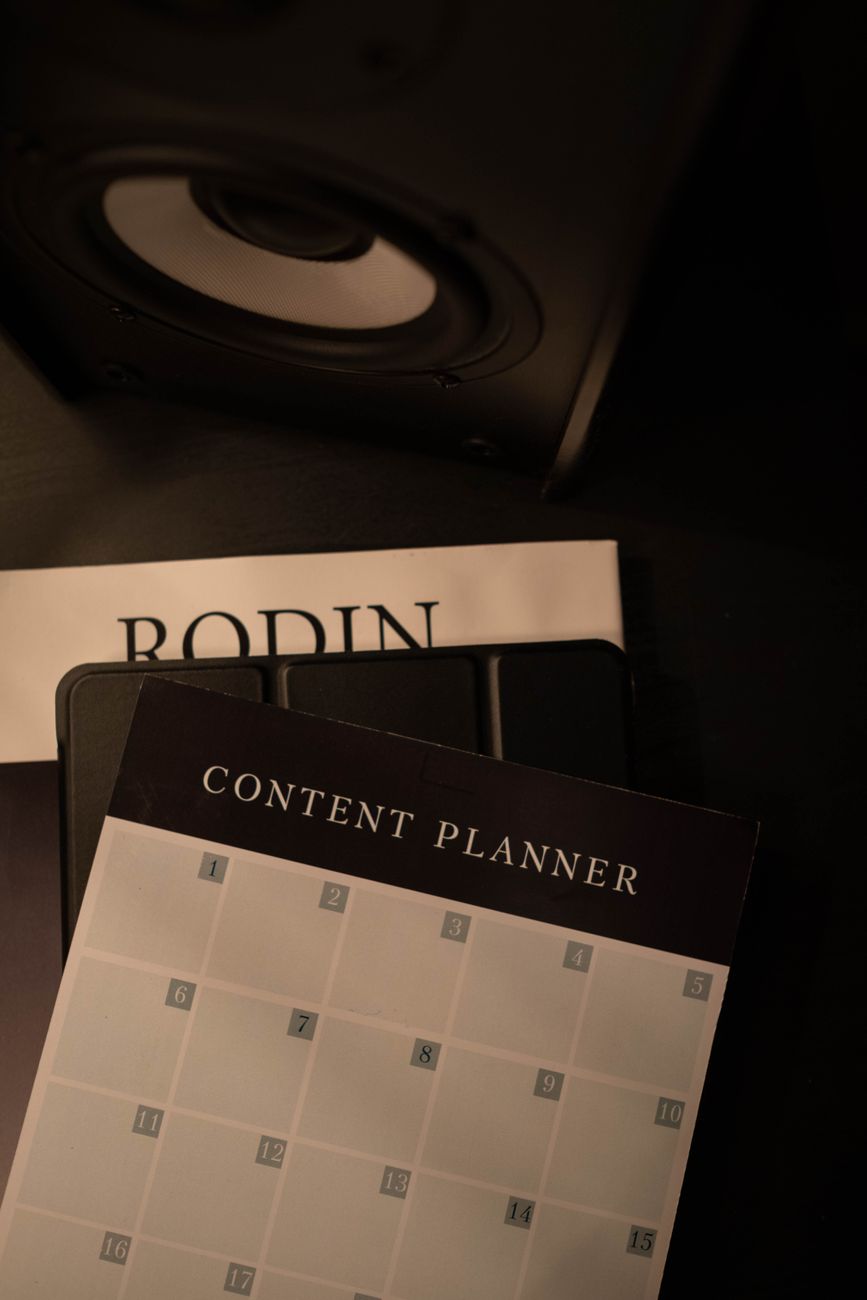
A WordPress content calendar is a planning system that maps out what you will publish, when, and for whom. Done right, it eliminates last-minute scrambling, keeps your editorial team aligned, and creates the publishing consistency that search engines reward. This guide covers everything from choosing the right tool to maintaining a calendar that actually gets used.
Why Does a Content Calendar Matter for WordPress Sites?
Consistency is one of the most underrated SEO factors. Google crawlers revisit sites that publish on a predictable schedule more frequently, which means your new posts get indexed faster. Beyond crawl frequency, a content calendar forces you to think about topic clusters, seasonal content, and keyword gaps before you write a single word.
A common mistake site owners make is treating a content calendar as a rigid to-do list rather than a living editorial strategy. The goal is not to fill every slot on a spreadsheet. It is to ensure every piece of content serves a specific audience need and business objective. When you can see three months of planned content at a glance, you will naturally spot when you are over-indexing on one topic and ignoring another.
What Are the Best Tools for a WordPress Content Calendar?
You have three main approaches: a dedicated WordPress plugin, a standalone project management tool synced to WordPress, or a simple spreadsheet. Each has trade-offs worth understanding before you commit.
| Tool Type | Best For | Free Option? |
|---|---|---|
| WordPress Plugin (e.g., Editorial Calendar, CoSchedule) | Teams working directly in WordPress dashboard | Yes |
| Project Management Tool (e.g., Trello, Notion, Asana) | Multi-channel teams needing task assignments | Yes |
| Google Sheets or Airtable | Solo bloggers or small teams wanting full control | Yes |
| AI Content Automation (e.g., Publisha.ai) | Creators who want to automate planning and publishing | Paid |
For most WordPress beginners, the free Editorial Calendar plugin is the fastest starting point. It adds a drag-and-drop calendar view directly to your WordPress dashboard, letting you see all scheduled drafts and published posts in one place. You can drag posts between dates to reschedule them without opening each post individually.
If you are managing a team with writers, editors, and designers, a tool like Trello or Notion gives you kanban-style workflows that a WordPress plugin alone cannot replicate. The downside is that you are working outside WordPress, so publishing still requires a manual step.
How Do You Build a WordPress Content Calendar Step by Step?
Step 1: Audit Your Existing Content
Before planning new content, understand what you already have. Export your posts from WordPress via Tools then Export and review them in a spreadsheet. Note each post topic, target keyword, publish date, and current traffic from Google Search Console or Google Analytics. You are looking for content gaps and update opportunities.
A practical tip: filter your Google Search Console data for queries where you rank in positions 11 to 20. These are your quickest wins. Adding those topics to your calendar as update tasks often delivers faster traffic gains than writing brand-new posts.
Step 2: Define Your Publishing Frequency
Be honest about your capacity. Publishing two high-quality posts per week is far more valuable than committing to five and burning out after three weeks. For a solo blogger, one well-researched post per week is a sustainable starting point. For a team of three, two to three posts per week is realistic.
Step 3: Build a Topic Bank
A topic bank is a running list of content ideas, ideally 30 to 60 ideas ahead of your current schedule. Use tools like Google People Also Ask boxes, AnswerThePublic, and Ubersuggest to find questions your audience is already asking. Organise ideas by topic cluster: a main pillar page surrounded by supporting posts.
Step 4: Map Content to Your Calendar
Open your chosen tool and start placing topics on specific dates. Work at least four weeks ahead. Assign each slot a working title, target keyword, content type, and the person responsible for writing it. Leave buffer slots for reactive content such as industry news or product launches.
Step 5: Set Up Scheduling in WordPress
WordPress has built-in post scheduling. When editing a post, look for the Publish panel on the right side of the block editor. Click the date and time field next to Publish and set your desired date and time. Click Schedule instead of Publish and WordPress will automatically publish the post at that moment.
One thing to watch: WordPress scheduling relies on WP-Cron, which only triggers when someone visits your site. On low-traffic sites, a scheduled post might publish late. Fix this by installing the free WP Crontrol plugin or setting up a real server cron job through your hosting control panel.
How Do You Maintain Consistency Without Burning Out?
The hardest part of any content calendar is not building it but sticking to it three months later. The most effective strategy is batching: dedicate one or two days per month to writing multiple posts in one sitting, then schedule them to drip out over the coming weeks. This separates the creative work from the publishing logistics.
Another underrated tactic is repurposing. A single in-depth WordPress tutorial can become a blog post, a LinkedIn article, an Instagram carousel, and a short YouTube video. Repurposing multiplies your content output without multiplying your research time.
If you find yourself spending more time managing the calendar than actually creating, it is worth knowing about Publisha.ai. It is an AI content automation platform that takes your target keywords, writes complete blog posts around them, schedules them automatically, and publishes directly to WordPress, Instagram, and LinkedIn from one dashboard. For bloggers and small business owners who want the benefits of a full editorial calendar without hiring a content team, it is a genuinely practical solution.
What Should a WordPress Content Calendar Template Include?
Whether you use a spreadsheet or a plugin, every content calendar entry should capture the same core information.
| Field | Why It Matters |
|---|---|
| Working Title | Keeps everyone aligned on the topic before the final SEO title is written |
| Target Keyword | Ensures every post has an SEO purpose from the start |
| Content Type | How-to, listicle, comparison, case study shapes structure and length |
| Publish Date | The scheduled date in WordPress |
| Author or Owner | Accountability for who writes, edits, and approves |
| Status | Idea, Draft, Review, Scheduled, Published |
| Internal Links Needed | Pre-plan which existing posts this new post should link to and from |
How Do You Measure Whether Your Content Calendar Is Working?
A content calendar is a means to an end, not the goal itself. Measure its effectiveness through outcomes: organic traffic growth in Google Analytics, keyword rankings in Google Search Console, and engagement metrics like average time on page and pages per session.
Review your calendar performance monthly. Which content types drive the most traffic? Which topics generate the most backlinks? Use these insights to double down on what works and retire formats that consistently underperform. A quarterly content audit where you update, consolidate, or redirect underperforming posts should also be built into the calendar as a recurring task.
Final Thoughts
A WordPress content calendar transforms publishing from a reactive scramble into a proactive strategy. Start simple, even a Google Sheet with publish dates and target keywords beats no system at all, then graduate to a plugin or dedicated tool as your team and output grow. The key is to treat the calendar as a living document you review weekly.
If you want to take the consistency of your content to the next level without adding hours to your week, Publisha.ai lets you automate the entire pipeline from keyword-based article generation to scheduled publishing across WordPress and social media.
Frequently Asked Questions
What is a WordPress content calendar?
A WordPress content calendar is a planning tool, either a plugin, spreadsheet, or project management board, that maps out what blog posts or pages you will publish, on which dates, and who is responsible for each.
Which is the best free content calendar plugin for WordPress?
The Editorial Calendar plugin is the most popular free option. It adds a drag-and-drop monthly calendar view to your WordPress dashboard showing all scheduled and draft posts.
How far in advance should I plan my content calendar?
Plan at least four weeks ahead at all times, with a topic bank of 30 to 60 ideas to draw from. Many experienced content teams work eight to twelve weeks ahead for planned content.
How often should I publish on WordPress for SEO?
Consistency matters more than frequency. One high-quality, well-researched post per week is more effective for SEO than five thin posts.
Can I automate my WordPress content calendar?
Yes. Tools like Publisha.ai automate the full cycle by generating keyword-targeted articles with AI, scheduling them, and publishing directly to WordPress and social platforms.
0 Comments
No comments yet. Be the first to comment.
Leave a Reply
Your email address will not be published. Required fields are marked *